Blue Bridge Autism Safety

For Families and Caregivers

Blue Bridge Autism Safety

You Know Your Needs Best—We Help First Responders Understand and Support You

Whether you are autistic, a parent, a caregiver, or a family member, you deserve to feel safe, understood, and respected—especially in emergencies. At Blue Bridge Training, our mission is to make sure first responders are prepared to recognize, communicate with, and support autistic people and their families in real-world situations.

During an emergency, clear and efficient communication is EVERYTHING.

In emergencies, every second counts—and first responders are trained to act quickly, gather information fast, and follow strict protocols. But when it comes to autistic individuals, what seems “efficient” can sometimes be dangerous.
  • Rushed Questions Can Cause Confusion:
    Rapid-fire questions, loud commands, or unfamiliar language can overwhelm, confuse, or frighten someone who processes information differently.
  • Missing Nonverbal Cues:
    Not everyone communicates with words. If responders expect quick verbal answers, they might misinterpret silence, stimming, or unusual behavior as noncompliance, intoxication, mental illness, or a threat.
  • Escalation Risks:
    When autistic individuals are misunderstood or feel pressured, their stress can escalate—sometimes leading to meltdowns or fight/flight responses, which responders may misread as aggression.
  • Overlooking the Expert in the Room:
    Family members, caregivers, and autistic people themselves know what works best. Ignoring their input in the rush for efficiency can lead to missed opportunities for de-escalation and support.


Communicating During an Emergency

  • Share What Works for You:
    • Let first responders know about any sensory sensitivities (lights, sounds, touch) and preferred ways to communicate or calm down.
    • Use communication cards, notes, or devices if speaking is difficult.
    • If you need extra time or space, let responders know—or have a trusted person share this for you.
  • Advocate for Yourself or Your Loved One:
    • Briefly share the most important facts first: communication preferences, triggers, medical needs, or safety concerns.
    • If eloping, non-speaking, or stimming is common, tell responders right away.
    • Your voice matters—sharing your needs can help everyone stay safer.

Here's the thing:  During an emergency, stress and anxiety make it difficult for the best of us to communicate efficiently.  Wouldn't it be great if you could carry an advocate in your pocket at all times?


Introducing the Autism Safety Hero Pack!

Instant Advocacy:  Anywhere.

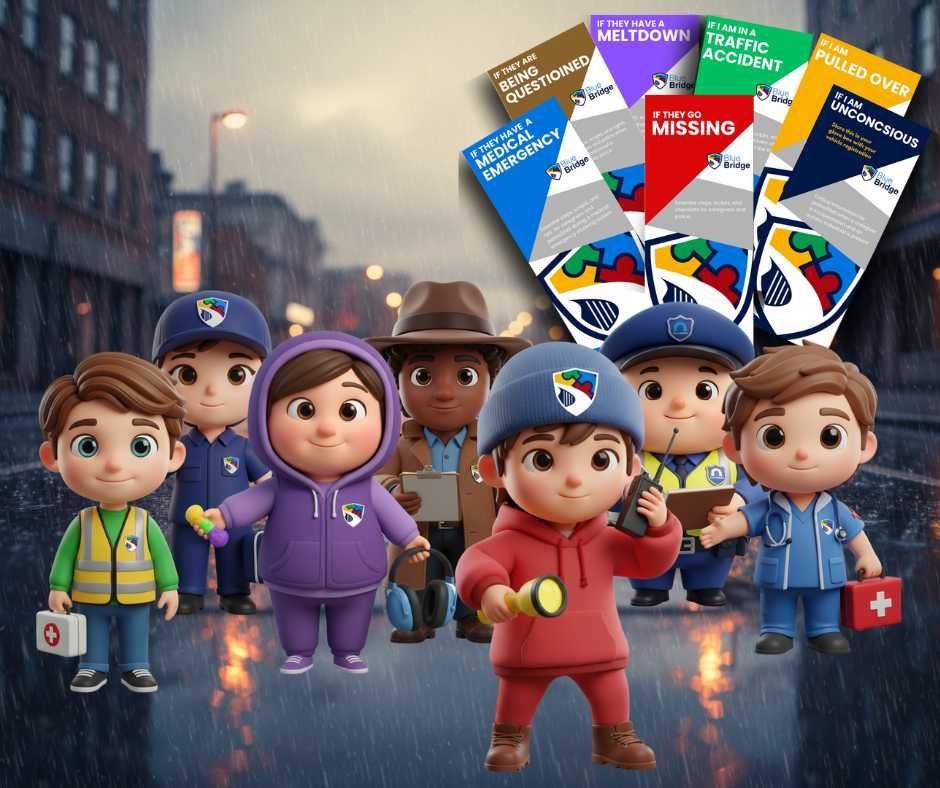
You can't predict when your autistic loved one will elope, have a medical crisis, or encounter law enforcement. But you can be prepared. The Autism Safety Hero Pack gives you seven essential guides—each one designed for real-world emergencies, with clear steps, communication scripts, and practical strategies you can use the moment you need them.
Learn More

It's cute marketing, but the tools are SERIOUS.

Each guide is built for action, not theory. No jargon. No fluff. Just the information that matters most when seconds count:
  1. If They Go Missing – Immediate search strategies, high-risk locations, 911 scripts, and vital information to communicate to first responders.
  2. If They Have a Medical Emergency – How to communicate with EMS, reduce sensory overload, and keep your loved one calm during treatment.
  3. If They Are Being Questioned – Advocacy tips and scripts to help protect your loved one's rights and ensure clear communication with detectives or officers.
  4. If They Are in a Traffic Accident – Safety steps, first aid basics, and how to navigate the scene with first responders.
  5. If They Have a Meltdown – De-escalation strategies, calming techniques, and what to say to help responders understand what's happening.
  6. If I Am Pulled Over – A practical guide for autistic individuals and families on how to stay safe and communicate during a traffic stop.
  7. If I Am Unconscious – Critical medical and communication information for first responders when your loved one can't speak for themselves.
Learn More

Special Needs ID Card

Anxiety, Stress, and Trauma can significantly impact our loved ones' ability to communicate.  This Special Needs ID Card is designed to assist your loved one in providing VITAL information to Police and First Responders during an emergency.  It is professional quality, permanent, and durable, printed on 76 mm PVC card stock.  

$9.99 (Includes Shipping)

Special Needs ID Cards Now Available

Help your loved one communicate during an emergency.

  • Professional Quality (76mm PVC)
  • Durable
  • Fully Customizable
  • QR Code Technology:  Add additional information such as:  
    • Sensory Needs
    • De-escalation Tips
    • Secondary Emergency Contact
    • Behavioral Triggers
    • Any other important information 
Order Now

"Train MY Officer(s)!"

Autism:  A Guide for First Responders - Train MY Officer(s)

$10 per seat, and I will match (donate 3 seats, and I'll send 6)

Donate Training to YOUR Police Officer(s)

  • Purchase one (or more) seats to my ON-DEMAND training course.
  • I will match (purchase 3 seats, I'll send 6)
  • I will contact YOUR local police department and provide the access links to the training on your behalf.  
  • Identify yourself or remain anonymous.
  • I will keep you up to date on progress and completion.
  • Am I banking on them being BLOWN AWAY by my training and enrolling additional officers?  You better believe it!
Train My Officer(s)!

"Lost": A Lesson for Parents and First Responders

May 30, 2022

8 Autism-Related Terms Every Police Officer Should Know

Apr 26, 2022